
If you’re new to hydroponics, you might be wondering what hydroponic plants to grow in your new garden.
Our Beginner’s Guide To Hydroponics is on sale for a short time. Check it out!
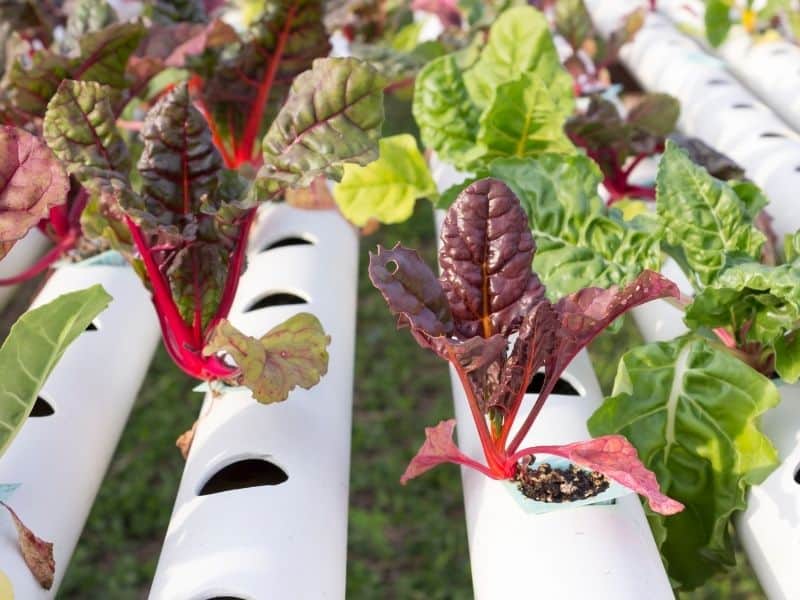
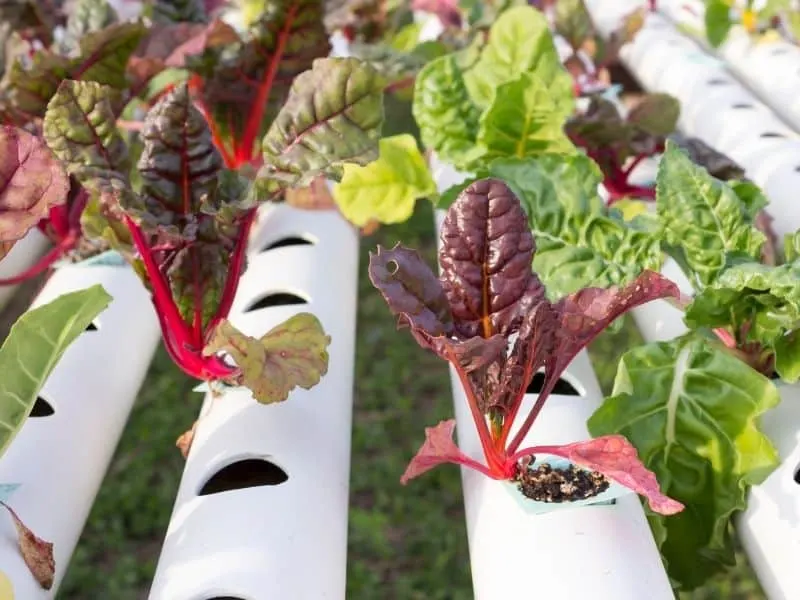
Do you know how that red, ripe-looking tomato in your grocery store came to be? Well, first it was bred to have tough skin so it would hold up during shipping. Then, it was harvested green and unripe and held in cold storage. Finally, it was gassed with chemicals to turn it red and ripe-looking. Bleh! Absolutely tasteless!
They look beautiful, ripe red, and sweet… but they’re not. That’s what has happened to the taste of store-bought tomatoes, and many other vegetables, too.
Hybrid strains are developed to favor safe shipping and long shelf life… at the expense of flavor and nutrition.
You can reclaim tasty vegetables and fruit for your family with a hydroponic garden. Pick a fragile but delicious variety, give it all the proper nutrients, let it vine ripen, and enjoy your very own home-grown, tender sweet produce!
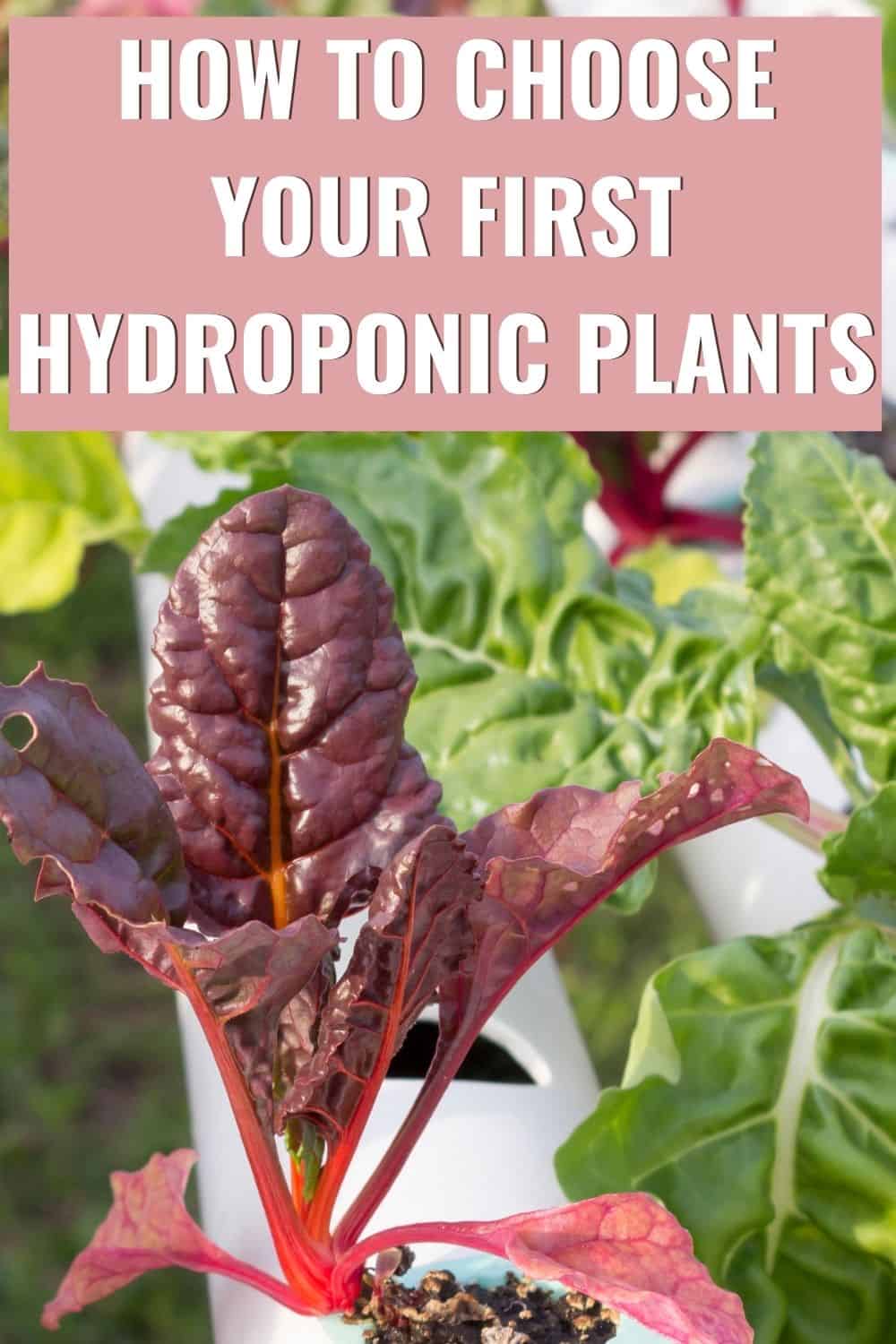
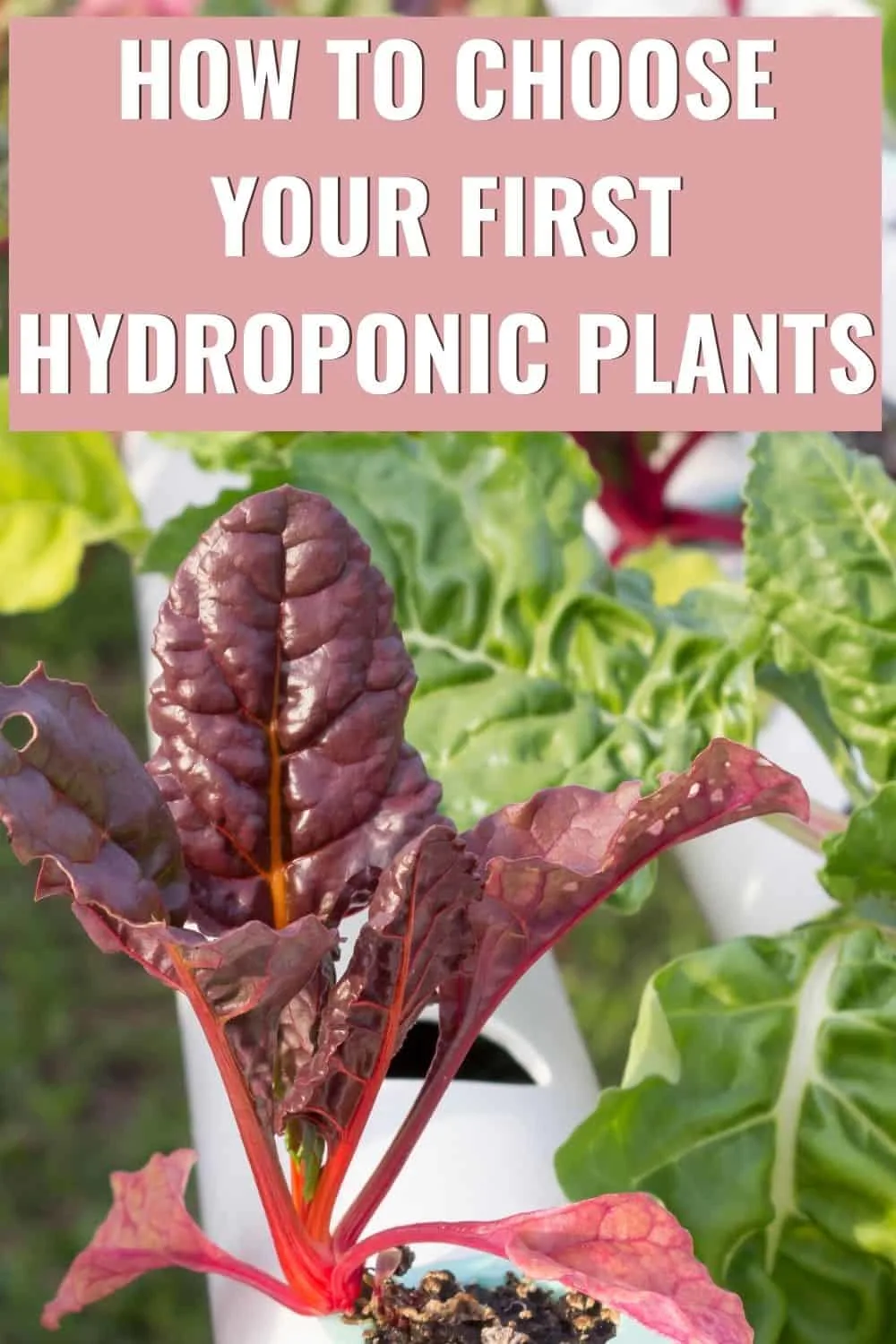
How To Choose Your First Hydroponic Plants
We advocate that you start your hydroponics plants from seed. We have created a great page explaining how to start seeds properly.
Of course, you can always just go to the local garden center and pick up some vegetable seedlings (baby plants). You will likely find tomato, pepper, eggplant, and cucumber seedlings in spring, and baby broccoli, cabbage, and lettuce plants in the fall.
Although you can use store-bought seedlings for your hydroponics plants, there are some drawbacks to doing this. You must wash off the soil from their roots, which can injure them. You may also introduce diseases, pests, and fungi into your sterile hydroponic setup, which might be very hard to eradicate.
You are also missing half the fun and one of the major advantages of home gardening – variety. In buying nursery seedlings, you are limited to just a
couple of strains THEY chose. Instead of a tough-skinned, tasteless C-322x strain of tomatoes, you can grow your own delicate, savory Burpee Big Boys from seed!
Get a few seed catalogs and study them. It’s great fun to pick out the best possible hydroponics plant varieties for your needs and growing climate. And you can get adventurous and try some really unusual or brand-new strains of plants.
I have always loved Burpee Seeds in particular for their innovative hybrids program. Ever taste a Burpee Big Boy tomato?
There are some seed companies that put out colorful, fun, and informative catalogs. Find them online and order their print catalogs. Poring over seed catalogs, while it’s snowing outside, is great for lifting your spirits, and is a great American pastime.
Interested in heirloom vegetables? We have a great page on them here: heirloom seeds.
At first anyway, try to stick to the bush, self-pollinating, and special “greenhouse” varieties of vegetables. We list some “hydroponically-friendly” varieties to get you started on our Veggies Page. And if you do ever need help with pollinating your indoor plants, there’s always the pollination page.
What to grow
Here are some guidelines to get you thinking about your future hydroponic garden:
- Start with vegetables you and your family love. It might be fun to grow 40 radishes, but if you don’t like them, why waste the space? (Note: give radishes a try before you rule them out. Fresh from the garden to your salad tastes delightfully different).
- If you start out with just one small unit, make the space count! If your family enjoys salads, then stick mostly to salad vegetables at first: lettuce, tomatoes, radishes, celery, and tuck a cucumber plant in the corner.
- Give priority to vegetables that taste the best fresh-picked and the worst from the supermarket. You’ll enjoy much better flavor in your home-grown lettuces, tomatoes (especially), celery, spring onions, and herbs.
- Don’t waste space on potatoes or turnips, as they are pretty standard in taste; you won’t see a big difference in home-grown. Root veggies are also harder to grow in a hydroponic pot, as they need a lot of depth. (Later on, do try your hand at a short variety of gourmet carrots for a real taste treat).
- Fresh herbs are awesome! We have a special section for you: hydroponic herbs.
What NOT to grow?
TIP: Once you have a little experience under your belt, and have the room for it, by all means, try your hand at vining crops. Read all about training and pruning vines here.
The most ideal hydroponic plants do NOT include corn, zucchini, summer squash, and melons.
Sure, they can be grown in a hydroponic garden, but they are space hogs, and just not practical. They will take over your whole unit.
Your resources are better spent on crops more suited to the compact systems. Think small for now: bush or patio types of beans, tomatoes, and cucumbers.
If you later get into a greenhouse, you’ll have the room to train all those beautiful vining crops all the way to the ceiling (no lights to stay under). You could experiment with any crops under the sun, even corn if you’d like.
FUN STUFF!
- Try your hand at Hydroponic Microgreens
- Grow, save and share Heirloom Seeds
Here’s the real beauty of Hydro…
It keeps your crop plan realistic, manageable, and highly productive.
Have you ever had a traditional, soil-based vegetable garden? This is probably how it went: The first warm days of spring hit, and you get a garden fever.
Off you go to the local nursery or home improvement center on a sunny Saturday afternoon. Yikes! Everybody else has spring fever, too.
You fight over the choicest vegetable seedlings (baby plants) and snag a flat each of tomatoes, peppers, eggplants, cucumbers, and squash.
Then you pass the seed rack and all those beautiful seed packets get you pumped up. In your cart goes several of them, too. Don’t forget the heavy bags of manure, peat moss, sand, and fertilizer!
You get it all home. Out comes the tiller (if you’re lucky). Otherwise, the rake, shovel, and hoe. After a day or two of back-breaking work, everything is
planted.
A little droopy, mind you, but the plot looks beautiful. Ah, the aroma of freshly tilled earth!
Now, here’s the problem. Did you really need that many plants? Are you really going to use 10 tomatoes, 12 cukes, and 10 peppers a day? Not!
So what happens?
- You leave the excess fruit on the plants, not wanting to be wasteful. What does that do? Stops production of more produce.
- You find worms in the corn and potatoes, and the tomatoes start splitting on the vine.
- You get tired of all that horrible weeding and throw in the towel.
Soon, your beautiful soil-based vegetable garden has turned into a huge weed and bug-infested plot, littered with rotted tomatoes and cucumber carcasses.
Am I right?
Hydroponics is the Answer!
Now, with hydroponics… since productive space is at a premium, you’re forced to think carefully about how much to plant of what.
How about just one tomato plant, one cuke, one or two peppers, lots of lettuce, spinach, and onions?
No weeds, no bugs, no excess produce. You will find that with a hydroponic garden, you will plant a wider variety, fewer plants of each crop, and you will utilize it all. Hydroponic plants are much more practical and less wasteful.
What a difference hydroponics will make in your gardening experience! You’ll just love it.
Wondering if you can plant tomatoes in January? When you grow hydroponic vegetables the answer is yes! And there’s some very useful information on climate requirements here.
What hydroponic system should you use?
Okay, so you now have an idea of the types of hydroponic plants you want and when to plant them. But which hydroponics method is best suited to your needs?
We provide an introduction to the 4 best and simplest systems to get you started: But Which Unit?
Space Requirements
- Tomatoes, peppers, eggplants, broccoli, beans, peas – 1 sq foot
- Cucumbers, cabbage, squash, melons – 2 sq foot
- Basil, bibb, and buttercrunch lettuce – 6″ x 6″
- Looseleaf and oakleaf lettuce – 7″ x 7″
- Herbs – 3″ x 3″ or 4″ x 4″
With a little effort and attention, you can keep your hydroponic garden producing constantly, and reap an incredible amount of produce from one small plot.
The trick is to keep planting. Never let a productive inch remain fallow. Radishes are good for this. Once you harvest that head of lettuce or cabbage, plant more lettuce or sow radish seeds to take its place.
Once produce is full-grown and ripe, pick it, even if you have to give it away. If left on the vine, it signals the plant to stop producing.
As far as lettuce and other greens, don’t just pull the tough outer leaves. Occasionally harvest the entire plant and enjoy the tender, tasty
lettuce hearts in a super gourmet salad. Re-seed the spot.
And keep it growing…


Stella and Simon, a couple of back-to-the-land, baby boomer enthusiasts, have embraced the world of homemade hydroponics on their three-acre plot of Florida piney woods. Their journey began after drawing inspiration from Epcot Center’s hydroponics exhibit, and they've delved into various hydroponic methods, experimenting with different systems, configurations, and crops both indoors and outdoors. Their expertise culminated in the creation of an innovative homemade hydroponics greenhouse, documented in their book, Simon’s Super Simple On-the-Grid, Off-the-Grid Hydroponic/Aquaponic Survival Greenhouse.
Best Hydroponic Vegetables To Grow
Thursday 10th of November 2022
[…] you’re interested in growing hydroponic vegetables, here are some of the best options to […]
Hydroponics Advantages And Disadvantages
Thursday 14th of October 2021
[…] tough, last for weeks, and look great on the shelf… but they are bland! Blah! Tasteless! Hydroponic veggies are more delicate and tender… and they taste […]
How To Plant Hydroponic Seeds For A Great Harvest
Monday 23rd of November 2020
[…] information using those search terms, so we used them to help guide you here. Take a look at our plants & produce section which discusses the best varieties of plants that work well in hydroponics. But there are […]