
It’s not enough to just designate a spacious, well-lit area for your new hydroponics garden. You need to provide the appropriate micro-climate for maximum production. Proper temperature and humidity also repel bugs, algae, fungi, and diseases. So, let’s talk about your grow room temperature and humidity.
Our Beginner’s Guide To Hydroponics is on sale for a short time. Check it out!
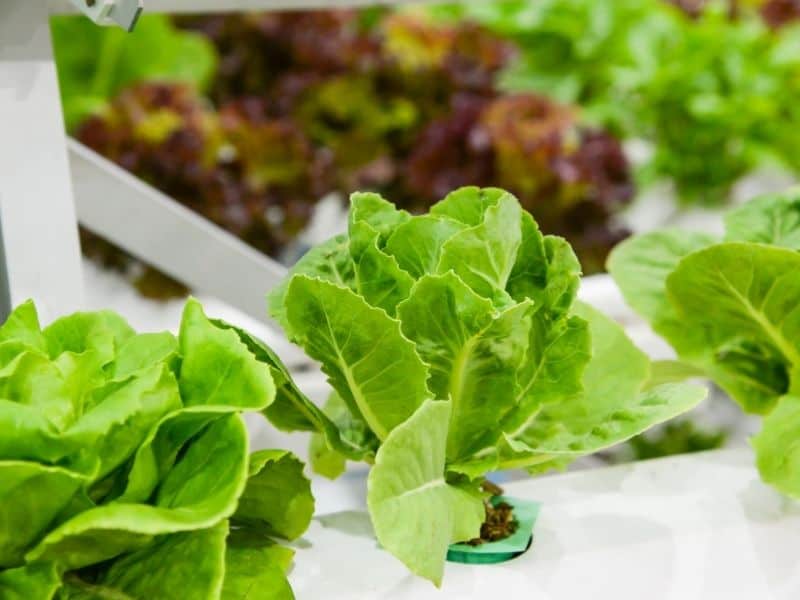

Proper Grow Room Temperature And Humidity
Temperature requirements in the hydroponic garden
Okay, so maybe you’re tired of hearing this by now… but it’s so important! The proper temperature range is such a basic and crucial element to a successful hydroponic garden that we don’t want you to overlook it!
Remember the magic optimal range: 65-80°.
There are two types of vegetable crops, each requiring a different temperature range:
- Warm-season crops and herbs: tomatoes, peppers, eggplants, cukes, beans, squash, melons, herbs, etc., need daytime temps of 70-80 degrees, and nighttime temps of 60-70 degrees. The absolute max temperature is 90 degrees.
- Cool-season crops: broccoli, cabbage, lettuces, endive, peas, spinach, green onions, etc., will need 60-70 degrees during the day and 50-60 degrees at night. The absolute minimum temp is 40 degrees.
Yes, you can mix them up some (like growing lettuce with tomatoes) by compromising on temperature. But in general, you’ll have the best results if you grow seasonal crops together, grouped as above. So you can stay within the best temperature range.
More on seasonal crops and when to grow them here: Hydroponic Vegetables.
How to maintain the temperature in your grow room
You might get the idea that since warm temperatures seem to spur plant growth, then why not keep it warm in there 24/7?
Well, it just doesn’t work that way. Plant metabolism requires a cool-down at night. For optimal plant growth and crop production, shoot for a 10-degree drop in temperature at night (at the same time the grow lights are off).
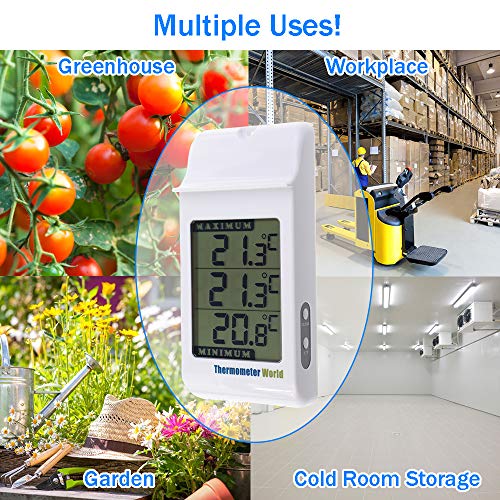
They make a thermometer that records the high and low temperatures reached during the day. This is very helpful:
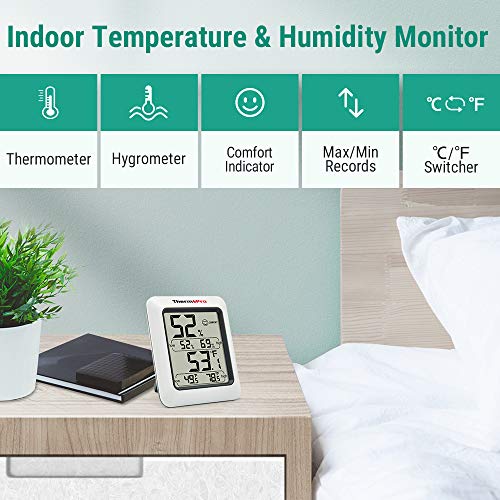
Or get a combination thermometer/hygrometer (+humidity readings) and place the probe near your plants. This one, from EcoPlus, has large, easy-to-read numbers:
At the bare minimum, you absolutely need a plain thermometer, under the grow lights, where the plants are.
Grow room humidity
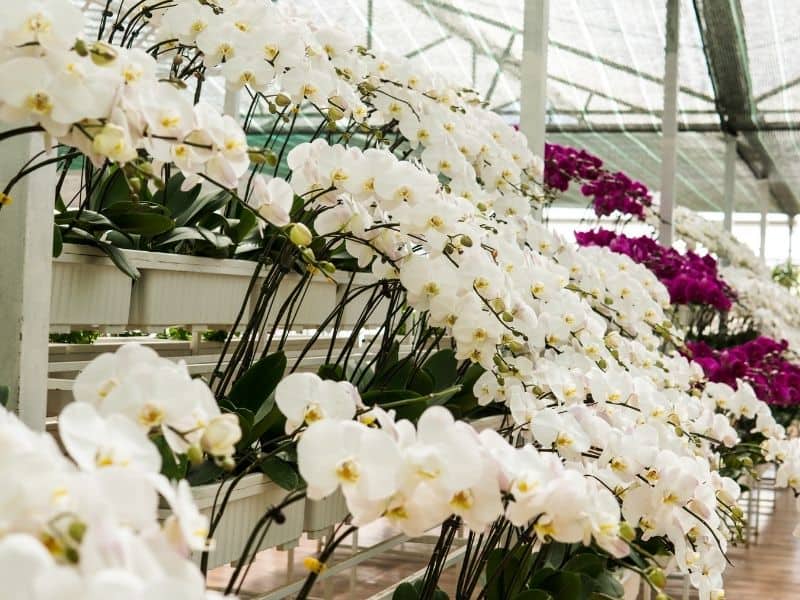
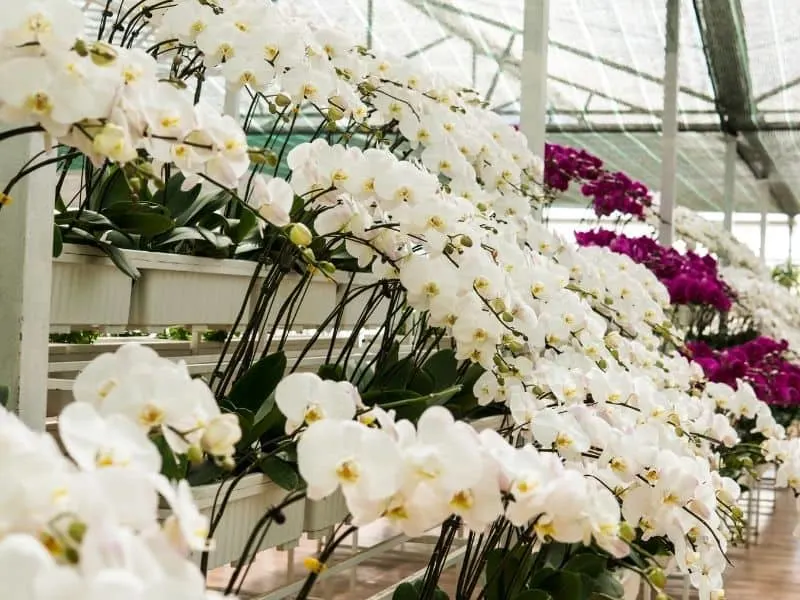
Have you ever been in a moist and humid orchid greenhouse? Then you might have the idea that the highest possible humidity would be best for your hydroponics crops, too.
But this is not so. The optimal humidity range for vegetable crops is 40 to 70% RH (relative humidity), with 50% being the best.
If it gets too humid, plants are unable to transpire/breathe properly. Very humid air is also perfect for powdery mildew and nasty fungus to take hold.
Very high or low humidity makes pollination difficult (a very important process addressed fully here: Plant Pollination).
Get a hygrometer or thermometer-hygrometer combo and hang it right in your unit so you can keep tabs on this daily. You may be surprised to see how low the humidity in your air-conditioned or gas-heated living room really is.
How to raise the humidity in your garden space?
Buy an inexpensive room humidifier or vaporizer and plug it in next to your unit. This one is inexpensive and does the job well.
Chances are slim that your inside humidity is too high. However, the cure for that is a fan, which you need, anyway. Air movement helps prevents mold and fungus, and promotes air exchange.
Now, listen… you don’t want your crops blasted with a big box fan set on high. What you do want is a small oscillating (turning) fan set on low to gently refresh the humid, stale air around your plant’s leaves. You want to see a slight, gentle leaf movement. This wall-mounted fan is great! BTW, the fan should be left on 24 hours a day.
If you have set up in a damp basement, you might want to invest in a portable dehumidifier unit (good anyway, to help prevent mildew). And if you are growing in a closed-off room, with no windows, you may need an exhaust fan to vent the moisture and stale air to the outside, like the kind used in a bathroom.
FAQ about grow room temperature and humidity
How do I control the temperature and humidity in my grow room?
As mentioned above, you’ll need a few items:
- thermometer
- hygrometer
- humidifier
- oscillating fan
Scroll back up if you missed it and see how to use these to help you maintain the proper balance of humidity and temperature in your grow room.
How hot is too hot for grow room?
85 degrees is about as hot as you want to go. 90 degrees or more is way too hot.
What humidity grows mold?
If the relative humidity (RH) in your growing room is constantly above 55, you may be facilitating mold growth. Keep RH below 50 degrees and you should be safe from mold.
What happens if grow room is too hot?
Plants being kept in high heat will suffer and yield much less than plants grown at optimal temps and humidity. In extreme cases (extended high heat) your plants may wilt and not produce anything at all.


Stella and Simon, a couple of back-to-the-land, baby boomer enthusiasts, have embraced the world of homemade hydroponics on their three-acre plot of Florida piney woods. Their journey began after drawing inspiration from Epcot Center’s hydroponics exhibit, and they've delved into various hydroponic methods, experimenting with different systems, configurations, and crops both indoors and outdoors. Their expertise culminated in the creation of an innovative homemade hydroponics greenhouse, documented in their book, Simon’s Super Simple On-the-Grid, Off-the-Grid Hydroponic/Aquaponic Survival Greenhouse.
Easy Home Hydroponics Setup
Wednesday 17th of August 2022
[…] TIP: Your plants can tolerate occasional dips as low as 45° and as high as 90°, but the routine growing range needed is 65-80°. Learn more here about the best grow room temperature and humidity. […]
Samiya
Wednesday 13th of October 2021
This is degree Celsius or degree Fahrenheit?
Adriana
Wednesday 13th of October 2021
It's Fahrenheit